
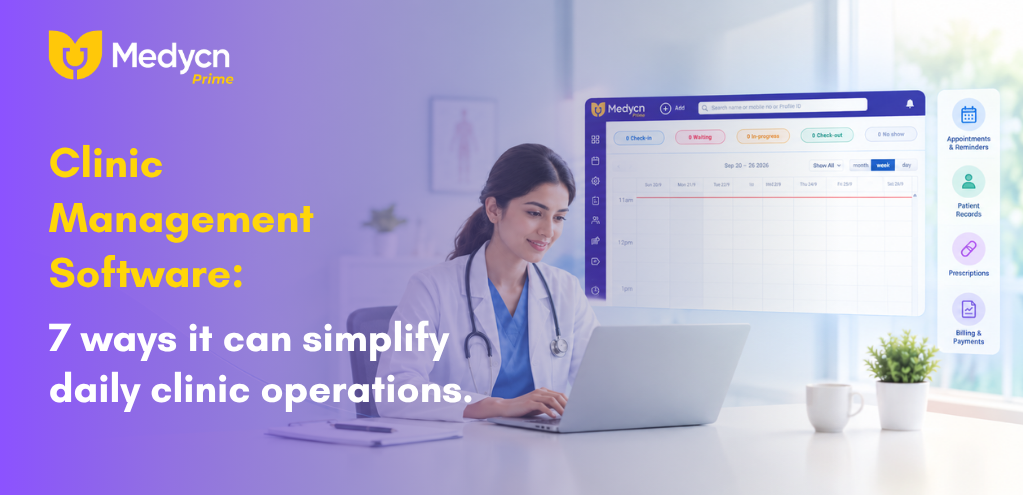
Running a clinic involves much more than consulting patients. Doctors and clinic staff also need to manage appointments, patient records, prescriptions, billing, inventory, expenses, and day-to-day administration. When these tasks are handled manually, even a busy clinic can quickly become difficult to manage.
This is where clinic management software can make a practical difference. By bringing important clinic operations into one digital system, healthcare professionals can spend less time on administrative work and more time focusing on patient care.
What Is Clinic Management Software?
Clinic management software is a digital solution designed to help doctors and healthcare teams manage the everyday activities of a clinic. Depending on the software, it can include features such as appointment scheduling, patient records, electronic prescriptions, billing, inventory management, expense tracking, and reports.
Instead of maintaining information across notebooks, spreadsheets, paper files, and separate applications, a clinic management system allows clinics to manage many of these activities from a centralized platform.
For small practices as well as growing multi-doctor clinics, this can make routine administrative work more organized and easier to monitor.
7 Ways Clinic Management Software Can Simplify Clinic Operations
1. Easier Appointment Scheduling
Managing appointments manually can become complicated, especially when a clinic receives a large number of calls and walk-in patients.
Appointment scheduling software helps clinics organize doctor schedules and patient appointments in a more structured way. Staff can view available slots, schedule appointments, and keep track of upcoming consultations.
A digital clinic appointment management system can also help reduce scheduling conflicts and make it easier for staff to handle changes in appointments.
2. Organized Patient Records
Patient information is one of the most important parts of any healthcare practice. Searching through physical files for previous consultation details can take valuable time.
With patient management software, clinics can maintain digital patient profiles and organize relevant information in one place.
Depending on the system, digital records may include:
- Patient contact information
- Consultation history
- Medical history
- Previous prescriptions
- Treatment information
- Follow-up details
An electronic health records software solution can make it easier for authorized staff and doctors to access relevant information when needed.
3. Digital Prescriptions Make Consultations More Convenient
Writing and maintaining paper prescriptions can create additional administrative work. Digital prescription software provides doctors with a way to create and maintain prescriptions electronically.
With digital prescription software, prescription information can be stored as part of the patient’s digital record. This can also make previous prescriptions easier to review during follow-up consultations.
For clinics looking to reduce paperwork, electronic prescriptions can be an important part of moving toward a more digital workflow.
4. Simplified Clinic Billing
Billing is another important part of running a healthcare practice. Manually preparing bills and maintaining payment records can consume time and may increase the possibility of administrative errors.
Clinic billing software can help organize invoices, payments, and financial information digitally.
For clinics, having billing information connected with other administrative functions can make it easier to keep track of daily transactions and maintain financial records.
Medical billing software can be particularly useful for practices that want to reduce repetitive paperwork and create a more structured billing process.
5. Better Inventory Management
Clinics need to keep track of medicines, medical supplies, and other inventory. Running out of an important item or purchasing more stock than necessary can create avoidable problems.
Clinic inventory management software can help staff monitor available stock and maintain inventory records digitally.
A healthcare inventory management system can help clinics keep an eye on:
- Available stock
- Medicines and supplies
- Stock movement
- Low-stock items
- Inventory usage
Better inventory visibility can help clinic staff make purchasing decisions based on actual requirements.
6. Useful Reports and Analytics
Running a clinic also involves understanding how the practice is performing. Manually collecting information from different sources can make this process difficult.
Clinic analytics software can bring operational information together and provide reports that help doctors and administrators understand different aspects of their practice.
Depending on the software, clinics may be able to review information related to:
- Patient visits
- Appointments
- Revenue
- Expenses
- Inventory
- Clinic activity
Having this information available digitally can make routine monitoring more convenient.
7. Cloud-Based Clinic Management
Traditional paper-based systems keep important information tied to physical files and clinic premises. A cloud based clinic management software solution can provide a more flexible way to manage clinic information.
With cloud-based healthcare software, authorized users may be able to access relevant information from supported devices without depending entirely on physical records.
For doctors and clinics that need flexibility, cloud-based systems can support a more connected approach to healthcare practice management.
Why Clinics Are Moving Towards Digital Management
The healthcare industry is becoming increasingly digital, and clinics are also looking for ways to simplify routine administration.
A digital clinic management system can help reduce dependence on paper records while bringing several operational functions together.
Instead of using separate systems for appointments, patient records, billing, prescriptions, and inventory, a clinic can use an integrated platform to manage multiple workflows.
The goal is not simply to replace paper with software. The larger benefit is creating a more organized workflow where information can be managed consistently.
What Should You Look for in Clinic Management Software?
Choosing clinic management software for doctors requires looking beyond the number of features. The software should fit the actual workflow of the clinic.
Before choosing a system, clinics can consider the following:
Ease of Use
Doctors and staff should be able to understand the system without extensive technical knowledge. A complicated interface can make implementation difficult.
Appointment Management
The system should make it easy to manage schedules, appointments, and patient visits.
Patient Record Management
Look for features that allow patient information and consultation history to be organized digitally.
Billing and Payments
A useful clinic management system should support the clinic’s billing workflow and make financial information easier to manage.
Inventory Management
If the clinic handles medicines or medical supplies, inventory tracking can be an important feature.
Reports and Analytics
Reports can help doctors and administrators monitor clinic operations and identify areas that require attention.
Cloud and Mobile Access
For clinics that need flexibility, cloud-based and mobile-friendly access can make everyday management more convenient.
How Medycn Core Supports Digital Clinic Management
Medycn Core is designed to bring different aspects of clinic administration into a centralized digital platform. Its features cover areas such as appointments, patient records, electronic health records, digital prescriptions, billing, inventory, expenses, analytics, and cloud-based management.
This type of clinic management software can help healthcare professionals move away from fragmented administrative processes and manage important clinic activities through a connected digital workflow.
For clinics looking to introduce more structure into their daily operations, an integrated platform can provide a practical starting point for digital transformation.
Final Thoughts
Managing a modern clinic requires balancing patient care with a wide range of administrative responsibilities. Appointment scheduling, patient records, prescriptions, billing, inventory, and reporting can all take time when handled manually.
Clinic management software provides a way to bring these activities together and create a more organized workflow.
The right clinic management system should not simply offer a long list of features. It should make everyday tasks easier for doctors, staff, and patients while supporting the way the clinic actually operates.
As more healthcare practices adopt digital workflows, solutions such as cloud-based clinic management software can play an important role in helping clinics manage their operations more efficiently.