
Introduction
Getting new patients into your clinic is important, but ensuring they return for follow-up visits is equally important for maintaining a consistent practice. Many clinics focus on attracting new patients while overlooking the importance of staying connected with existing ones.
Patients may miss scheduled appointments, forget their next consultation date or simply postpone their follow-up visits. Without a proper follow-up process, clinics can find it difficult to maintain patient relationships and manage ongoing appointments.
Improving patient retention does not always require expensive marketing campaigns. Simple steps such as timely reminders, organized patient records and consistent communication can help clinics build stronger relationships with patients.
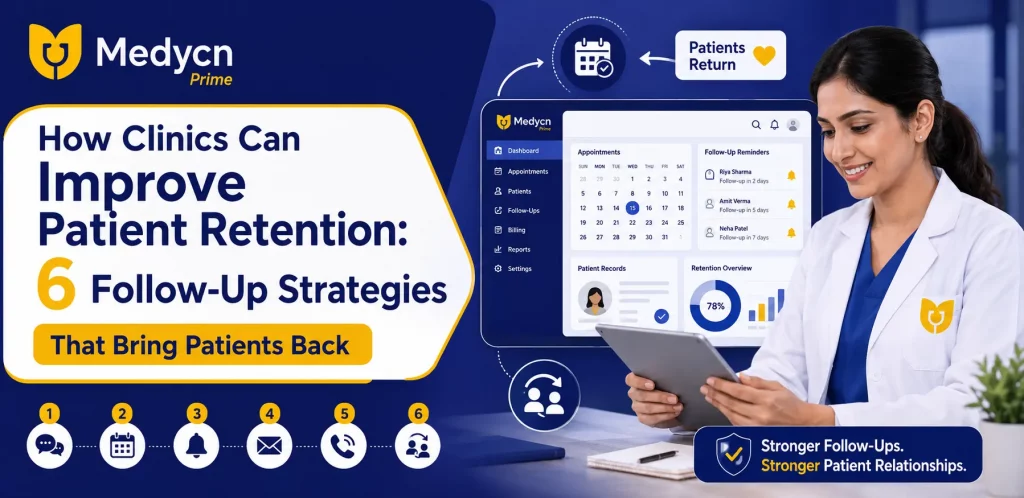
Here are six practical strategies doctors and clinic owners can use to improve patient retention and manage follow-ups more effectively.
What Is Patient Retention in Healthcare?
Patient retention refers to a clinic’s ability to maintain long-term relationships with patients and encourage them to return for necessary follow-up consultations and continued care.
It involves more than providing a good consultation. Patients should also have a convenient appointment experience, access to clear information and timely communication from the clinic.
A well-organized patient retention strategy helps clinics maintain continuity of care, improve appointment management and build patient trust.
6 Effective Ways to Improve Patient Retention in Clinics
1. Send Timely Appointment Reminders
Patients may forget their scheduled appointments because of busy work schedules, personal commitments or simple oversights.
Without reminders, clinics may experience missed appointments and unused consultation slots.
Sending appointment reminders through SMS or WhatsApp can help patients remember their scheduled visits. Clinics can send reminders before the appointment and share relevant updates when schedules change.
What clinics can do:
- Send reminders before scheduled appointments.
- Confirm appointments in advance.
- Inform patients about schedule changes.
- Provide clear appointment dates and timings.
A consistent reminder process helps patients stay informed and makes daily appointment scheduling easier for clinic staff.
2. Maintain Organized Patient Records
Remembering every patient’s previous visit, medical history and follow-up requirements can become difficult as a clinic grows.
When patient information is scattered across paper files and different registers, staff may spend additional time searching for previous records.
Using electronic medical records (EMR) software helps clinics maintain patient information in an organized digital format.
What clinics can do:
- Maintain patient profiles and consultation history.
- Record previous visits and prescriptions.
- Access patient information when needed.
- Update records after every consultation.
Organized records help doctors review previous consultations and provide more consistent care during follow-up visits.
3. Create a Consistent Patient Follow-Up Process
Not every patient requires the same follow-up schedule. Some may need a review after a few days, while others may require a consultation after several months.
Without a structured process, follow-up requirements can easily be overlooked.
Clinics should establish a clear method for recording and managing follow-up appointments based on the doctor’s recommendations.
What clinics can do:
- Record follow-up dates during consultations.
- Maintain a list of patients due for review.
- Contact patients when appropriate.
- Keep follow-up information updated.
A consistent patient follow-up system helps clinics maintain communication and makes it easier to manage returning patients.
4. Make Appointment Booking Simple
A complicated appointment booking process can discourage patients from scheduling their next visit.
Patients should be able to contact the clinic and find available consultation slots without unnecessary delays.
Clinics can improve the booking experience by maintaining an organized appointment schedule and ensuring reception staff have access to updated availability.
What clinics can do:
- Maintain an updated appointment calendar.
- Avoid overlapping appointments.
- Manage walk-in and scheduled visits.
- Make rescheduling easier for patients.
Using clinic appointment management software can simplify scheduling and help staff coordinate daily consultations more efficiently.
5. Stay Connected With Patients Between Visits
Patient communication should not end when the consultation is completed.
Appropriate communication can help clinics maintain relationships with patients and keep them informed about relevant appointments and clinic updates.
However, communication should always be useful, timely and respectful of patient preferences.
What clinics can do:
- Send appointment-related updates.
- Share relevant follow-up reminders.
- Send birthday greetings where appropriate.
- Keep patients informed about clinic timings and updates.
A thoughtful communication process can help clinics build familiarity and maintain stronger patient relationships.
6. Monitor Patient Visits and Clinic Performance
Improving patient retention requires clinics to understand how patients interact with their services.
Without proper records and reports, it can be difficult to identify appointment trends, missed visits and returning patients.
Clinic reports and analytics can help doctors and administrators understand daily operations and identify areas that need improvement.
What clinics can monitor:
- Daily and monthly appointment numbers.
- New and returning patient visits.
- Missed and cancelled appointments.
- Follow-up appointment patterns.
- Overall clinic performance.
Reviewing these details regularly helps clinic owners make informed decisions and improve their appointment management process.
How Does Clinic Management Software Improve Patient Retention?
Managing patient appointments, records and follow-ups separately can increase administrative work for clinic staff.
Clinic management software brings these important activities together in one platform, helping doctors and administrators manage daily operations more efficiently.
With Medycn Prime, clinics can:
- Manage Appointments: Schedule patient visits, track appointments and maintain an organized consultation calendar.
- Maintain Patient Records: Store and access patient information and previous consultation details digitally.
- Send Patient Reminders: Use SMS reminders and patient communication features to keep patients informed.
- Manage Digital Prescriptions: Maintain prescription records and access previous treatment information.
- Track Clinic Performance: Use reports and analytics to monitor appointments, patient activity and clinic operations.
By bringing these activities together, Medycn Prime helps clinics reduce manual administrative work and maintain a more organized patient management process.
Common Patient Retention Mistakes Clinics Should Avoid
Even clinics with regular patient visits can struggle with follow-up management when basic processes are overlooked.
Here are some common mistakes to avoid:
- Ignoring missed appointments: Not following up appropriately with patients who miss scheduled visits.
- Poor record maintenance: Keeping patient information across multiple registers and disconnected systems.
- Inconsistent communication: Contacting patients only when they need to book another appointment.
- Difficult appointment scheduling: Making it complicated for patients to arrange their next visit.
- Not reviewing clinic reports: Missing opportunities to identify appointment and follow-up patterns.
Addressing these gaps can help clinics create a more organized patient experience.
Final Thoughts
Patient retention is an important part of running a well-organized clinic. While attracting new patients helps a practice grow, maintaining relationships with existing patients supports continuity of care and better appointment management.
By introducing timely reminders, organized patient records, consistent follow-ups and simpler appointment scheduling, clinics can improve their daily operations and patient communication.
The right technology can make these processes easier to manage.
Medycn Prime brings appointments, patient records, digital prescriptions, billing and clinic analytics together in one platform, helping doctors focus more on patient care and less on administrative tasks.
Frequently Asked Questions
1. How can clinics improve patient retention?
Clinics can improve patient retention by sending timely appointment reminders, maintaining organized patient records, scheduling regular follow-ups and providing a convenient appointment booking experience.
2.Why are follow-up appointments important for patient retention?
Follow-up appointments help doctors monitor patient progress, review treatment outcomes and maintain continuity of care. They also help clinics stay connected with patients throughout their care journey.
3. How can clinics reduce missed appointments?
Clinics can reduce missed appointments by sending SMS or WhatsApp reminders, confirming scheduled visits in advance and making appointment rescheduling easier for patients.
4. How does clinic management software help improve patient retention?
Clinic management software helps clinics manage appointments, maintain digital patient records, send reminders and track follow-up visits. These features reduce manual work and help clinics maintain better patient communication.
5. What features should clinics look for in patient management software?
Clinics should look for features such as appointment scheduling, electronic medical records (EMR), patient reminders, digital prescriptions, billing management and clinic performance reports to manage daily operations efficiently.